If you’ve ever hit a hot drop in one version of PUBG only to feel like your rank progress moves at a snail’s pace in the other, you’re not imagining it. The PUBG ranking system on PC and Mobile shares the same core Battle Royale DNA, but the way ranks unlock, advance, and reward you creates two distinctly different competitive experiences. Whether you’re a player switching between platforms or curious about cross-play differences, this guide breaks down exactly what sets them apart, so you can adapt your grind and chase higher ranks more effectively.
And when you are ready to fuel your rank push with premium items, battle passes, or UC without the hassle, top up PUBG Mobile safely and instantly through Enjoygm as players worldwide trust it for fast deliveries and reliable service that keeps you in the game longer.
PUBG PC vs PUBG Mobile: Why Ranking Feels Different
The PUBG ranking system doesn’t just differ in numbers because it shapes how the entire game feels. On Mobile, ranked progression often feels milestone-driven with clear promotion gates that give quick dopamine hits. On PC, it leans into a longer, more unified competitive ladder where consistency over many matches defines your place. These differences stem from platform-specific design choices, player bases, and ongoing updates tailored to each version’s global ecosystem.
Understanding these nuances helps you avoid frustration when switching. Mobile players might miss the structured promotions, while PC players could find Mobile’s system more forgiving for aggressive playstyles early on.
Ranked Entry Rules Differ
Access to ranked mode sets the tone right from the start. PUBG PC enforces a clear gate:
- You need BATTLEGROUNDS Plus (a one-time upgrade for new free-to-play accounts).
- Reach Survival Mastery Level 80 through normal matches.
- Complete 10 calibration/placement matches to determine your starting rank.
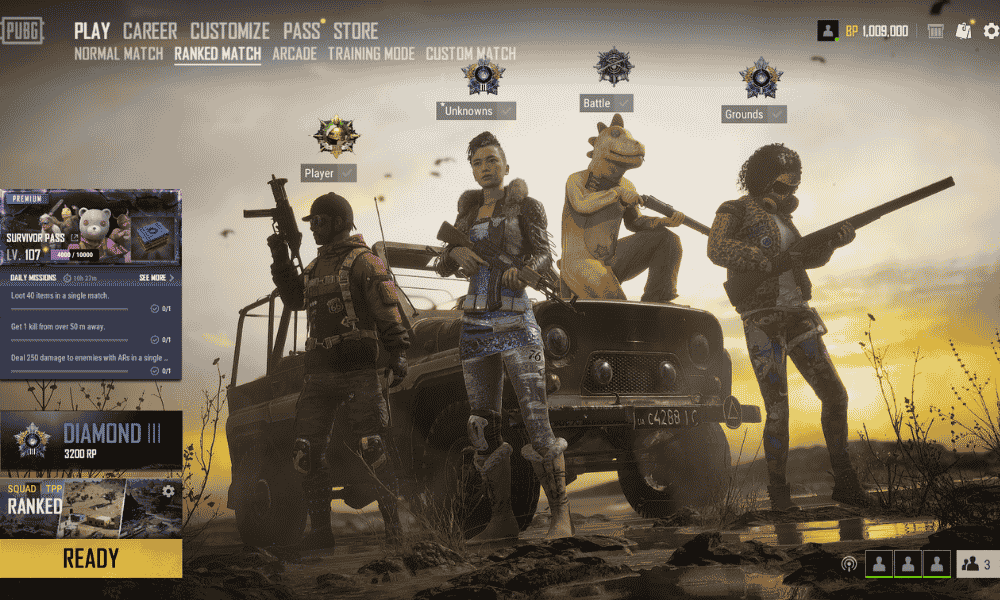
This barrier helps maintain a more serious player pool and reduces early cheater issues. Once inside, matchmaking considers party rank gaps (max 10 divisions in many cases).
PUBG Mobile offers a more direct path. New players can enter ranked queues sooner once they hit basic account levels, with progression built around in-game rating from the start. No paid upgrade is required for core access, making the PUBG Mobile ranking system feel more immediately accessible for casual-to-competitive players.
Rank Points Work Differently
Both versions of PUBG use Rank Points (RP) earned from placements, kills, and survival, but the mechanics diverge significantly.
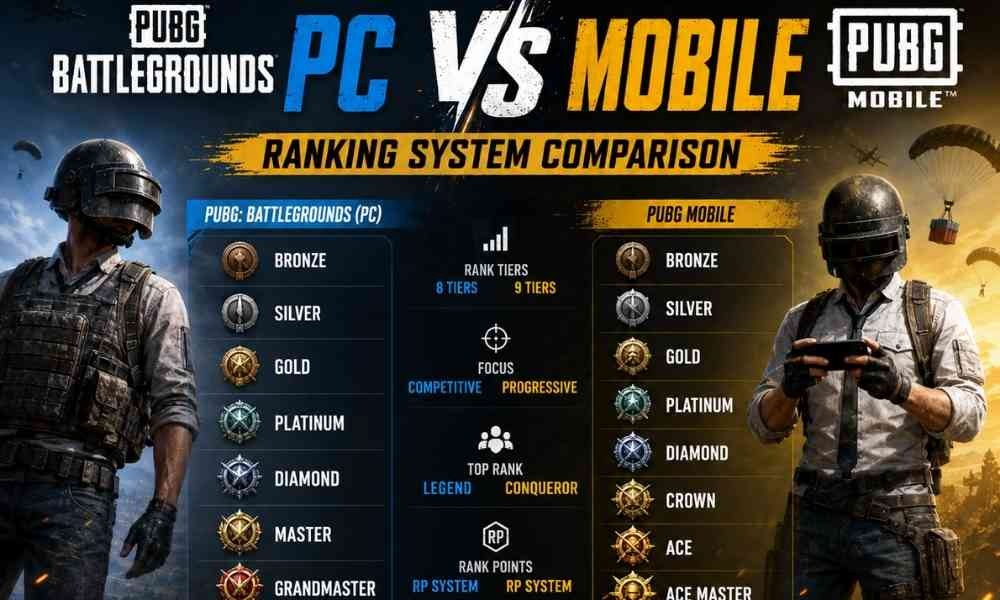
In PUBG Mobile, lower tiers rely on steady RP gains with visible divisions (usually 5 per tier). Once you approach Ace (around 4200+ RP), the system shifts to a promotion-focused structure. You must hit RP thresholds and complete consecutive high-placement “Promotion Matches” (e.g., 3 in a row for Ace with strict top placements on maps like Erangel or Livik). This creates high-stakes, visible checkpoints. Higher tiers like Ace Master and Ace Dominator demand even tougher streaks, while Conqueror is reserved for the top 500 on the server leaderboard.
PUBG PC uses a more unified RP system post-2025 revamp. RP is consistent across party sizes (Duo/Squad) and perspectives (FPP/TPP). Tiers feature fewer divisions (now 4 in many cases), with RP rewards tuned for long-term consistency rather than bursty promotions. No separate promotion matches are there and the progress comes from sustained performance across a broader ladder.
Rank Tiers Send Different Messages
The tier names and spreads influence motivation and social perception.
PUBG Mobile tiers: Bronze → Silver → Gold → Platinum → Diamond → Crown → Ace (with sub-progress to Ace Master/Ace Dominator) → Conqueror.
The Ace-facing structure feels milestone-heavy. Hitting Ace or pushing promotions feels like a tangible achievement, often celebrated in communities. Conqueror status carries massive prestige as a server-topper badge.
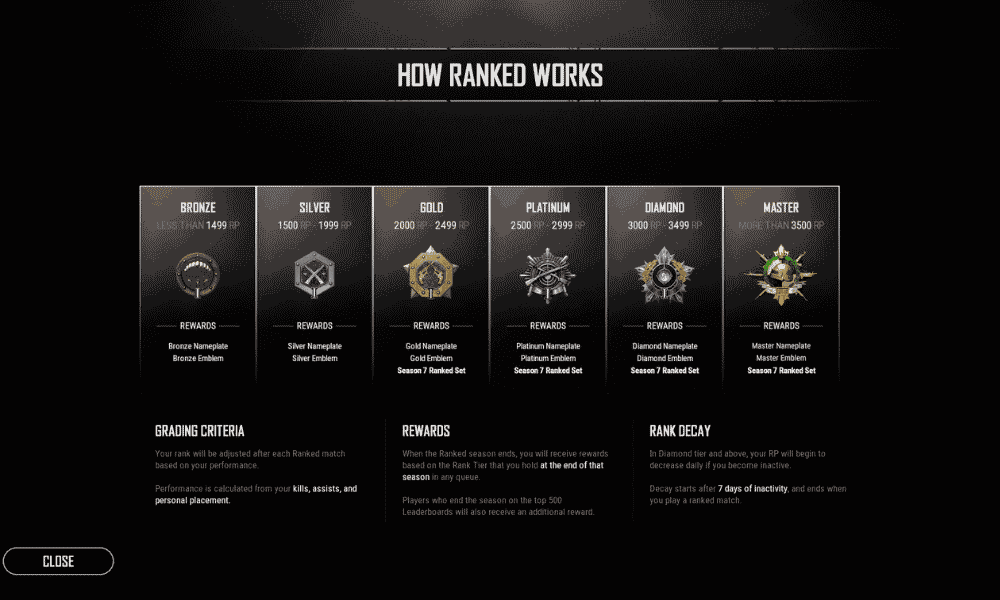
On the other hand, PUBG PC tiers (post-revamp): Bronze → Silver → Gold → Platinum → Crystal → Diamond → Master → Survivor.
The addition of Crystal adds a rewarding mid-to-high tier step, while Survivor (limited slots per region, e.g., top few hundred) represents the ultimate elite climb. This creates a longer, more gradual ladder where “high rank” signals deep consistency rather than quick promotions. Socially, Master feels solid, but Survivor is rare and highly respected.
For motivation: Mobile rewards pushing for visible promotions and seasonal resets. PC emphasizes grinding RP stability in a formal ladder, suiting players who enjoy long-term mastery.
Rank Strategy Should Change
You can adapt your playstyle to each system’s strengths as follows.
- Mobile players: Focus on point thresholds and promotion conditions. Prioritize stable top-10/15 placement runs in key maps during promotion windows. Aggressive early fights work in lower tiers, but high Ace pushes demand calculated rotations and survival streaks. Track your RP closely and time promo attempts.
- PC players: Emphasize longer-term RP consistency. Every match contributes to your unified ladder position, so balance kills with safe placements across sessions. With unified RP, party play feels seamless so coordinate for consistent top finishes rather than chasing one-off hero moments. Crystal and above reward smart positioning over pure aggression.
Pro tip for smoother pushes on either platform: When you’re deep in a rank grind and need that extra edge with battle pass rewards or UC for custom loadouts, Enjoygm makes topping up quick and hassle-free. This is a perfect solution for staying equipped without breaking your flow.
Best System for Your Goal
You can choose based on your preferences:
- Pick PUBG Mobile if you enjoy milestone promotions, faster early climbs, and server-leaderboard prestige.
- Go PUBG PC for a deeper, unified competitive ladder with tiers like Crystal and Survivor that reward sustained skill.
Most of the players enjoy both as the key is understanding why the same PUBG ranking system keyword search leads to such different realities. Master the differences, and you’ll climb faster no matter the platform.
Conclusion
And that is it. Understanding the PUBG PC vs PUBG Mobile ranking system differences gives you a real edge. The PUBG ranking system on both platforms ultimately celebrates the same skill: smart positioning, teamwork, and survival under pressure. By adapting your strategy to each platform’s unique rules, entry requirements, and RP mechanics, you’ll climb faster, avoid common frustrations, and enjoy the grind more. Start applying these insights in your next sessions. Pick the version that matches your playstyle today, then challenge yourself to master the other.